CMPA and Breastfeeding: Signs, Diagnosis, and What to Do Next
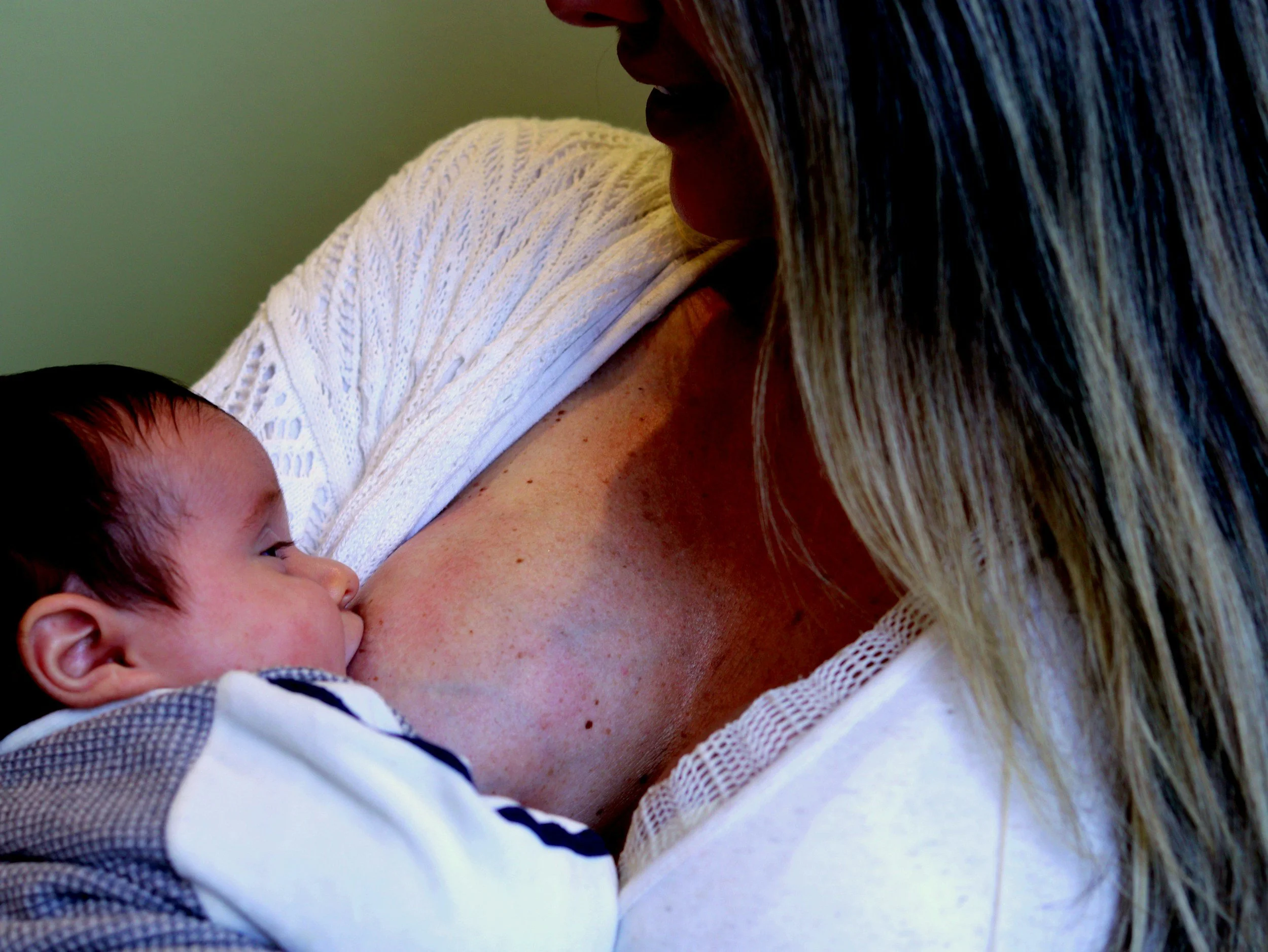
If your baby has been extra fussy, struggling with feeds, or showing signs that something just feels off, you’re not imagining it. One possible cause that comes up for many families is cow’s milk protein allergy (CMPA).
If you’re breastfeeding, this can feel especially confusing. “How could dairy affect my baby if I’m the one consuming it?” Let’s break it down in a way that feels clear, supportive, and actually helpful.
What Is CMPA in Babies? (Cow’s Milk Protein Allergy Explained)
CMPA is when a baby’s immune system reacts to the protein found in cow’s milk. This protein can pass into breastmilk when a breastfeeding parent consumes dairy, which means even exclusively breastfed babies can be affected. It’s more common than many people think, and often misunderstood.
Common CMPA Symptoms in Breastfed Babies
Every baby is different, but there are some common signs that may point toward CMPA.
You might notice:
Excessive fussiness or colic-like behavior
Mucus or blood in baby’s stool
Frequent spit-up or reflux symptoms
Eczema or skin rashes
Gassiness, discomfort, or pulling legs up
Difficulty settling or staying asleep
Feeding aversions or discomfort at the breast
In some cases, blood in baby’s stool may not be visible, which is why pediatricians sometimes use a simple in-office diaper test to check more closely.
Keep in mind, these symptoms can overlap with other things. CMPA is one possibility, not the only one.
How CMPA Is Diagnosed
There’s no simple, one-time test that gives a clear yes or no for CMPA in most cases, but there are a few tools providers use to help guide the diagnosis.
Diagnosis is typically based on:
Baby’s symptoms
Feeding history
Ruling out other causes
A trial elimination diet
A stool (diaper) test done in the pediatrician’s office
That diaper test is usually checking for hidden blood in baby’s stool, which isn’t always visible to the eye but can be a sign of irritation in the gut. If blood is detected, it can support the suspicion of CMPA, especially when paired with other symptoms. From there, many providers will recommend removing dairy from your diet (if breastfeeding) or switching formulas to see if symptoms improve.
Breastfeeding with CMPA: What an Elimination Diet Looks Like
If you choose to continue breastfeeding (which many families do!), you may be guided to remove all sources of dairy from your diet. This includes more than just milk and cheese.
You’ll want to look out for:
Milk, butter, cheese, yogurt
Whey and casein (common hidden dairy proteins)
Processed foods that may contain dairy derivatives
What to expect:
It can take 2–4 weeks for dairy to fully leave your system
Baby’s symptoms may gradually improve during that time
Reading labels becomes your new superpower
Your provider may also repeat a diaper test after some time to see if removing dairy is helping reduce irritation in baby’s gut. This can feel like a big shift, and it’s okay if it feels overwhelming at first. You deserve support through this!
What About Soy? (A Common Overlap)
Some babies with CMPA also react to soy protein.
If symptoms don’t improve after removing dairy, your provider may suggest removing soy as well. Again, this is something to do with guidance, not guesswork.
Formula Feeding Options for CMPA
If breastfeeding isn’t feeling sustainable with an elimination diet or if you’re already formula feeding, there are still supportive options available.
Babies with CMPA are typically recommended:
Extensively hydrolyzed formulas (proteins are broken down)
Amino acid-based formulas (fully broken down proteins for more severe cases)
These formulas are designed to be gentle on sensitive systems. If you go this route, it doesn’t mean you’ve failed; it means you’re responding to your baby’s needs.
You Don’t Have to Choose Between Your Well-being and Your Baby’s
This is the part that matters most. Whether you continue breastfeeding with dietary changes, transition to formula, or find a combination that works for your family, the goal is the same: a baby who feels better, and a parent who feels supported.
There is no one “right” way, only what works best for you both.
When to Reach Out for Support
If you’re noticing symptoms or feeling unsure, don’t wait it out alone.
Support can look like:
Your pediatrician
A lactation consultant
A doula with experience in CMPA (hi, that’s me 🤍)
Because sometimes what you really need isn’t just information, it’s someone to walk through it with you. You can also benefit from peer support. Reaching out to other parents of babies with CMPA can be extremely helpful. You can chat about symptoms, know you’re not alone, and receive and share tips and tricks!
Need Support Navigating Feeding Challenges?
Whether you’re dealing with suspected CMPA, feeding struggles, or just feeling unsure about what’s normal, I’m here to support you. Together, we can talk through what you’re seeing, explore your options, and create a plan that feels aligned and realistic for your family.
✨ Reach out if you’d like to chat about support options!