The Wisdom of Winter: A Slower, More Trusting Way to Think About Birth
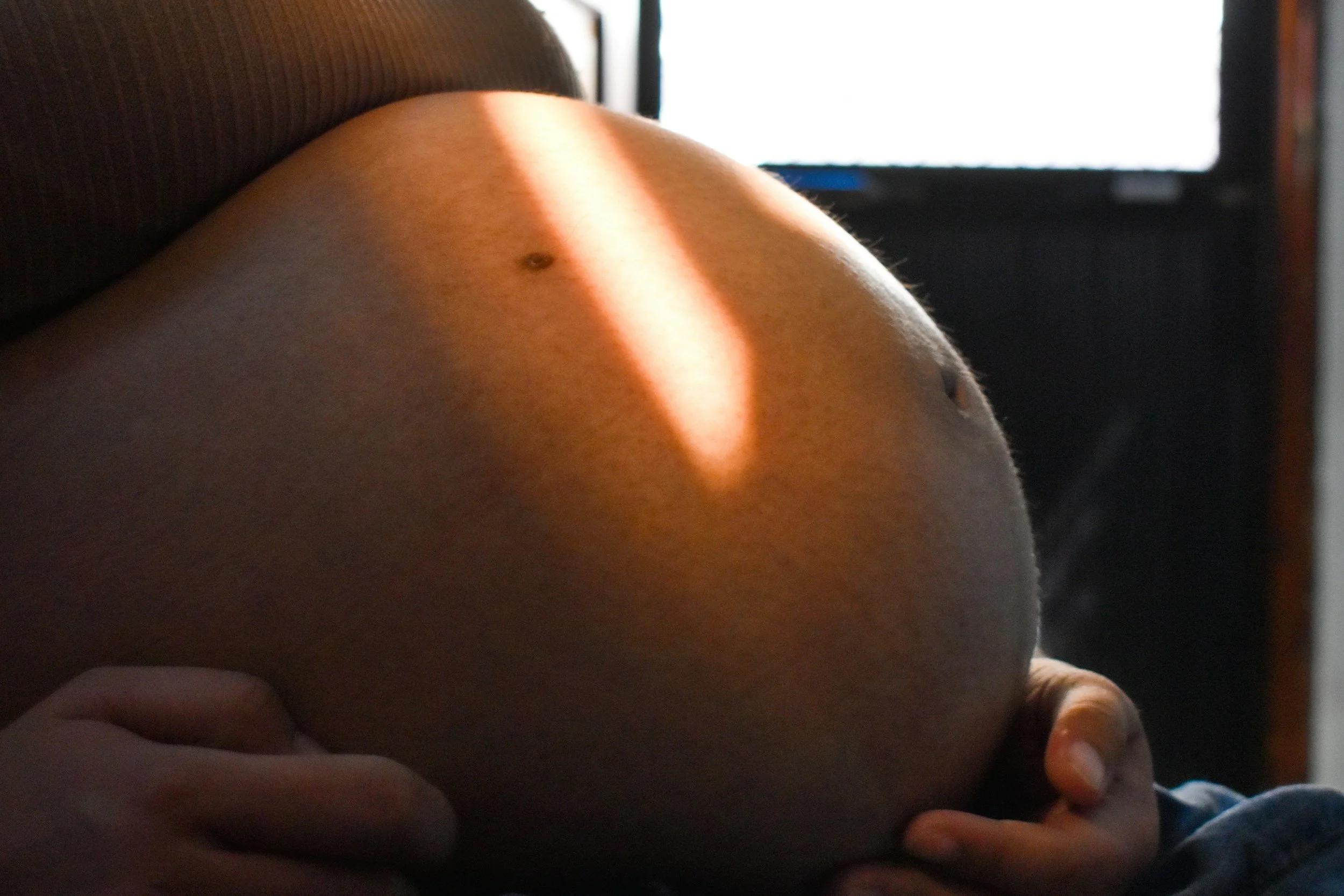
What Winter Teaches Us About Birth (In a World That Rushes Everything)
We live in a world that loves speed. Fast results, tight timelines, and productivity at all costs.
And then there’s birth.
Birth doesn’t care about your calendar invite. It doesn’t respond well to pressure. It doesn’t unfold neatly just because we want it to.
Winter, quietly and unapologetically, reminds us of this truth. It slows things down whether we like it or not. The days shorten. Nature pulls inward. Growth still happens, but it happens beneath the surface. And in many ways, that’s exactly how birth works, too.
Winter Doesn’t Rush, and Neither Does Birth
In winter, nothing is blooming loudly. Roots are strengthening, seeds are resting, and energy is being conserved.
Birth follows a similar rhythm.
Despite how we talk about due dates and timelines, labor is not a performance or a race. It’s a physiological process that depends on safety, hormones, patience, and trust. Oxytocin, the hormone that drives labor, flows best when we feel calm, supported, and unobserved. Not rushed. Not pressured. Not managed like a task.
Evidence shows that stress and fear can slow labor progress, while feelings of safety and support can help labor unfold more smoothly. Winter invites that same slowing, that same turning inward.
This isn’t woo. It’s biology.
Productivity Culture vs. Physiological Birth
We’re taught, subtly and loudly, that faster is better.
That mindset sneaks into pregnancy and birth in ways we don’t always notice:
Obsessing over cervical checks and numbers
Feeling anxious if labor feels “too slow”
Believing something is wrong if birth doesn’t follow a predictable pattern
Struggling with rest because it feels unproductive
But birth was never meant to be efficient. It was meant to be responsive. Winter reminds us that not all progress is visible, and that doesn’t mean nothing is happening.
Waiting Is Not Wasted Time
One of the hardest lessons winter teaches is how to wait.
Waiting for longer days.
Waiting for warmth.
Waiting for the shift.
In pregnancy and labor, waiting can feel uncomfortable. It can bring up doubt, impatience, even fear. But waiting is often where important work is happening– emotionally, hormonally, physically.
That long, early labor?
That pause before active labor kicks in?
That slower-than-expected dilation?
It’s not failure. It’s preparation.
Sometimes the body is gathering strength. Sometimes the baby is making adjustments. Sometimes the nervous system needs reassurance before moving forward.
Winter knows this. Birth does too.
What Winter (and Birth) Ask of Us
Instead of pushing harder, both winter and birth ask us to soften.
They invite us to:
Trust cycles instead of timelines
Honor rest as necessary, not lazy
Let go of constant control
Accept that unpredictability is not the same as danger
Understand that stillness can be productive
This doesn’t mean ignoring medical needs or pretending interventions don’t exist. It means approaching birth with flexibility, curiosity, and respect for physiology while staying grounded in evidence-based care.
There’s room for both science and intuition here.
Bringing Winter Wisdom Into Birth Preparation
If you’re preparing for birth, especially during the winter months, consider:
Building extra rest into your days instead of pushing through fatigue
Practicing patience-focused coping tools (breathing, grounding, visualization)
Talking through “what if” scenarios so uncertainty feels less scary
Creating a birth plan that allows for unfolding, not perfection
Surrounding yourself with support that values your emotional safety
Birth doesn’t need you to hustle. It needs you to feel safe enough to let go.
A Gentle Reminder
Winter isn’t broken because it’s quiet, and birth isn’t failing because it’s slow. You are not behind because things are unfolding differently than expected.
In a world that constantly tells us to move faster, winter and birth offer a different kind of wisdom.
Slow down. Turn inward. Trust the process.
Growth is still happening, even if you can’t see it yet.