Birthing in a High-Intervention Hospital System
How to Stay Confident, Informed & In Control
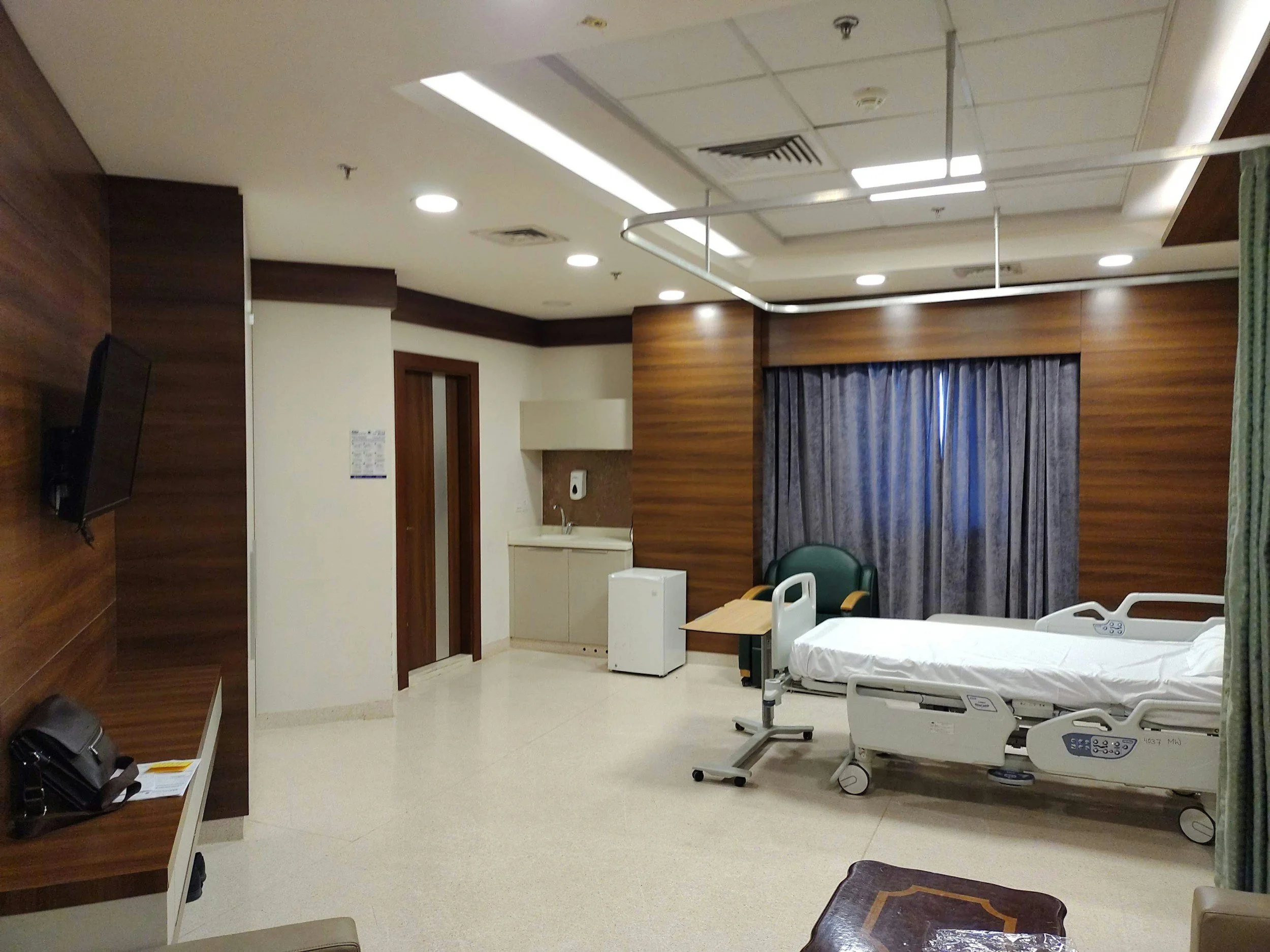
Let’s be real: hospital births can feel intense. Even when you walk in confident, the quick pace, strong recommendations, and clinical environment can make you doubt yourself.
And yes, you always have options when it comes to where you give birth. Exploring birth centers, home birth, different hospitals, or midwifery-led care can be incredibly empowering if those options are available to you. Learning what your choices are is an important part of preparing for birth.
But this post is especially for the families who, for any number of reasons—insurance, location, medical needs, timing, cultural comfort, or simply personal preference—are choosing to birth in a high-intervention hospital setting.
You deserve to feel supported, confident, and informed, no matter where you birth. And with the right tools, your experience can still feel grounded and empowering, even in a system where interventions are common.
Understanding High-Intervention Hospital Culture
Some hospitals lean heavily on interventions like inductions, continuous monitoring, frequent cervical checks, or scheduled cesareans. This doesn’t automatically make them “bad”; it just means you need more awareness going in.
The Key Thing to Know
Interventions are recommendations, not requirements. You always have options, and you always have the right to ask questions before consenting.
The “BRAIN” Tool: Your Built-in Confidence Booster
Whenever a provider suggests something, use this mental checklist:
Benefits: How does this help me or my baby?
Risks: What are the potential downsides?
Alternatives: What other options are available?
Intuition: What does my gut say?
Nothing: What happens if we wait 30 minutes and reassess?
This tool keeps you grounded and slows things down, especially when you feel rushed.
Know the Most Common Interventions
Understanding the “why” behind each intervention and what to ask is empowering. Here are a few common interventions and things you can learn and ask about:
Inductions: Asking about your Bishop score, the exact medical reason, and what methods they plan to use can help you decide whether an induction is the right choice for you.
Continuous Monitoring: Evidence shows intermittent monitoring is safe for most pregnancies. Ask about the options the hospital has for intermittent monitoring and wireless monitoring.
IV Fluids & Restriction of Eating: Hydration and calories matter for labor stamina. Don’t be afraid to push back on restrictions that don’t serve you.
Cesarean Rates: This varies hugely by hospital. Knowing your location’s rate helps you understand the culture you’re walking into.
Your Birth Plan Still Matters in a High-Intervention Setting
A birth plan isn’t about controlling birth, it’s about communicating your values.
Include things like:
How you prefer to be spoken to
What pain-management approach you'd like
Your monitoring preferences
How you'd like your cesarean to feel if it becomes needed
Newborn procedures and timing
Have copies for your partner, your doula, and an extra for your nurse.
Advocacy Tip: Slow the Room Down
It’s 100% okay to say:
“Can we have a few minutes alone to talk?”
“Is this an emergency, or do I have time to think?”
“Can you explain the evidence for that recommendation?”
Just these sentences can completely shift the dynamic.
You’re Allowed to Feel Empowered, Even When the System Feels Big
Birth doesn’t have to feel like something happening to you. It can feel collaborative, supported, and grounded, even if interventions become part of your story.
Your voice matters. Your body matters. Your experience matters. Don’t be afraid to ask questions, take what works for you, and leave what doesn’t.
Your Turn: Let’s Keep This Energy Going!
You read all the way to the end, now let’s talk.
✨ Tell Me: What’s One Question You’d Ask Your Provider Right Now?
Drop it in the comments, send me a DM, or message me privately if that feels safer. No question is too small or too “random.” If it’s on your mind, it deserves space.