Obstetric Racism and Pain Bias in Labor
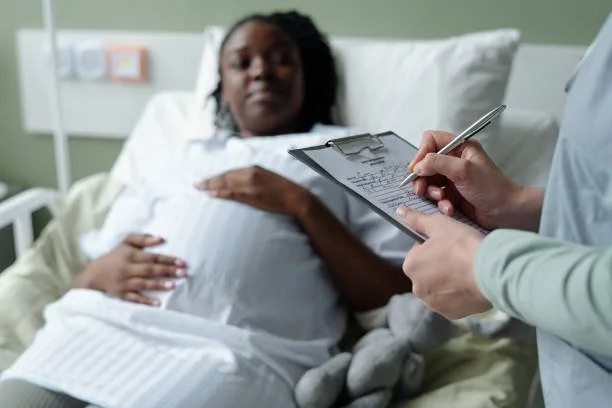
Pain in labor is real, and so is the history behind how Black women’s pain has been treated. When we talk about disparities in maternal health, we cannot ignore the role of obstetric racism, and one of the clearest places it shows up is in pain management.
Let’s talk about it.
What Is Obstetric Racism?
Obstetric racism refers to the ways racial bias, both historical and modern, impacts pregnancy, birth, and postpartum care for Black women.
It can look like:
Dismissed symptoms
Delayed treatment
Lack of informed consent
Coercion around interventions
Inadequate pain management
Being spoken over or not believed
It is not always loud or obvious. Sometimes it’s subtle. Sometimes it’s normalized. But the impact is real. When a patient is not believed, safety is compromised.
The Historical Roots Matter
The medical system in the United States was built, in part, on the exploitation of Black bodies.
One of the most well-known examples is J. Marion Sims, often referred to historically as the “father of modern gynecology,” who performed experimental surgical procedures on enslaved Black women without anesthesia.
At the time, false beliefs circulated that Black people had higher pain tolerance or thicker skin. These myths have never been rooted in science but were used to justify cruelty.
In more recent history, we have another example of how Black women’s bodies continue to be exploited. In 1951, Henrietta Lacks’ cells were taken, without her consent, during a cervical cancer treatment at Johns Hopkins. These cells, later named HeLa cells, were unethically used without her consent or knowledge. They led to advancements in developing the polio vaccine, studying cancer, advancements in HIV treatments, testing the effects of radiation, and human gene mapping, all without consent or recognition.
These beliefs did not disappear overnight and are very much prevalent in medicine today. Research still shows that some medical trainees and providers hold false assumptions about biological differences in pain perception between Black and white patients. Black women are also more likely to be dismissed or not believed when in pain. Sometimes even seen as drug-seeking, which is once again, racist.
In 2017, tennis pro Serena Williams experienced dismissal of her symptoms after the delivery of her first child, a mistake that could have been deadly. Even with all the money and access to the best care that she has, when the time came for her providers to listen, they didn’t.
That is not ancient history. This is modern bias.
(read Serena’s birth story here)
Pain Bias in Labor Today
Studies consistently show racial disparities in pain assessment and treatment across healthcare settings, including maternity care.
Black women are more likely to report:
Having their pain minimized
Experiencing delays in receiving epidurals or medication
Feeling unheard when expressing concerns
Being labeled “dramatic” or “aggressive” for advocating
At the same time, Black women experience significantly higher rates of maternal morbidity and mortality in the United States. The intersection of dismissed pain and delayed response can be dangerous. Pain is information. When pain is ignored, critical information is missed.
This Is Not About Tolerance
Black women are often praised for being strong. But strength should not be a substitute for care.
The narrative of the “strong Black woman” can become harmful when it leads providers to assume:
She can handle more
She doesn’t need as much support
She is emotional rather than experiencing something clinical
Labor requires listening to the body and to the birthing person. Everyone deserves to be believed the first time.
What Black Families Can Do to Protect Themselves
This responsibility should not fall on patients. The system must change. But while we continue pushing for systemic reform, there are protective steps families can take.
1. Have Prenatal Conversations About Pain Preferences
Before labor, discuss with your provider:
What are my options for pain management?
How long does it typically take to receive an epidural here?
What happens if anesthesia is delayed?
What non-pharmacological options are available?
Clear expectations reduce surprises.
2. Put Preferences in Writing
Include pain management preferences in your birth plan. Whether that means you want an epidural as soon as you’re able or adding when you would be open to it if planning on pushing off pain medication for a while.
3. Bring an Advocate
This can be:
A partner
A trusted family member
A culturally competent doula
Support people can say:
“She is in significant pain and is requesting medication.”
“Can you explain the delay?”
“We would like an update.”
Sometimes repetition is advocacy.
4. Ask Direct Questions in the Moment
If something feels off, ask:
“Is there a medical reason we’re waiting?”
“What are the risks of delaying treatment?”
“Can you document that I’ve requested this?”
Documentation changes dynamics.
5. Choose Culturally Competent Care When Possible
If accessible, seek providers who:
Have experience working with diverse populations
Welcome questions
Respect shared decision-making
Are transparent about hospital policies
Representation and cultural humility matter.
What Providers Must Do
Real change requires accountability.
Providers must:
Examine implicit bias
Listen without defensiveness
Take all reports of pain seriously
Practice trauma-informed care
Ensure equitable response times for pain relief
Educate themselves on disparities and actively work from an informed perspective
Bias doesn’t always mean intention. But impact matters more than intent.
If You’re a Black Mom Preparing for Birth
I want you to know you deserve to be heard. You deserved ot be informed, have your preferences listened to, receive prompt and accurate medical care, be given time and information to make informed choices for yourself, and be given the space to ask questions.
You deserve to be safe.
Moving Forward
Obstetric racism is not a personal failing; it is a systemic issue with deep roots. But awareness creates power, conversations create accountability, and advocacy creates change.
Black maternal health is not just a statistic. It is a real issue that affects real people. And believing Black women, especially in moments of vulnerability, is one of the most basic forms of care.