Black Breastfeeding History: From Forced Wet Nursing to Modern Advocacy
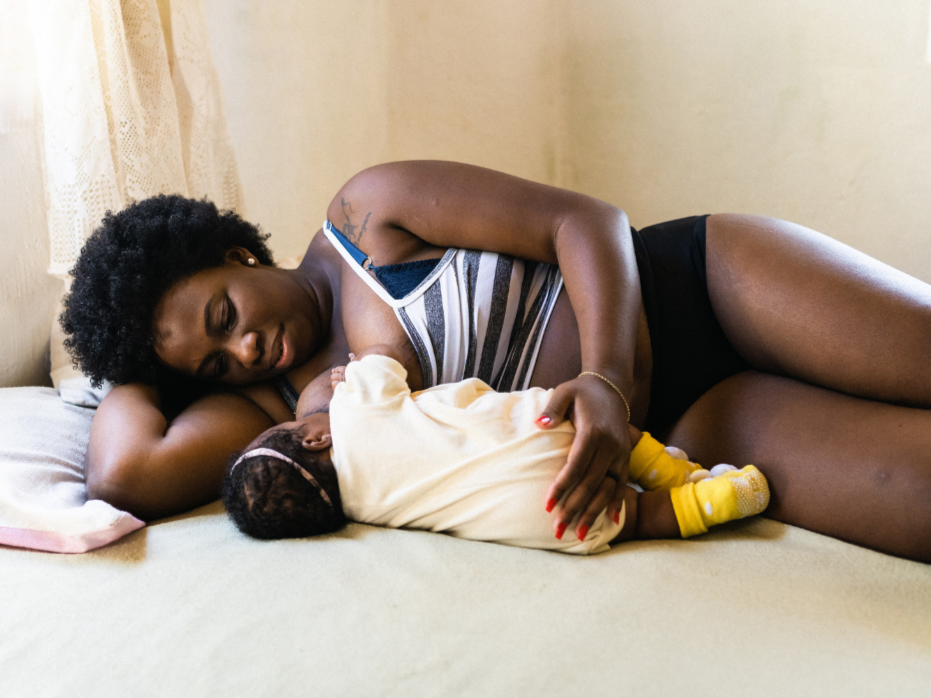
Breastfeeding in the Black community carries history.
Not just sweet nursery moments or lactation tips, but generational layers of survival, exploitation, resilience, and reclaiming. If you’re a Black mom navigating feeding decisions, your experience doesn’t exist in a vacuum. There is context behind it. And understanding that context can feel grounding instead of confusing.
Let’s talk about it.
The Truth About Wet Nursing During Slavery
During slavery in the United States, enslaved Black women were often forced to breastfeed the children of enslavers, many times at the expense of feeding their own babies.
Many were:
Denied the ability to nurse their own children consistently
Physically separated from their babies
Malnourished while expected to nourish others
This wasn’t a job. It wasn’t a choice. It was exploitation.
Black women’s bodies were treated as resources, even in motherhood.
That history matters. Because when we talk about breastfeeding rates today, we cannot separate them from the trauma embedded in how Black women’s bodies were used and controlled.
Generational Impact Is Real
Trauma doesn’t always show up loudly. Sometimes it shows up quietly.
It can look like:
“Formula is easier.”
“No one in our family did that.”
A discomfort that’s hard to name.
For generations after slavery, Black women were pushed into labor roles that made direct breastfeeding nearly impossible. Then, in the 20th century, formula marketing disproportionately targeted Black communities, positioning formula as modern, advanced, and aspirational.
At the same time, structural barriers limited:
Paid maternity leave
Workplace pumping protections
Access to lactation education
Access to culturally competent providers
So when statistics show lower breastfeeding rates among Black women, it is not about capability. It’s about context. This has never been about ability. It has always been about access, support, and history.
The Modern Reality
Today, Black women still face disparities in breastfeeding initiation and duration. They are also more likely to report:
Not being offered lactation support in the hospital
Having pain or concerns dismissed
Returning to work earlier without pumping accommodations
And yet, Black breastfeeding advocacy is powerful and growing.
Organizations, lactation consultants, and community leaders are reclaiming breastfeeding as:
Autonomy
Health equity
Cultural restoration
An act of informed choice
Not pressure. Not obligation. But a choice.
If You’re a Black Mom Navigating This
You deserve full information.
You deserve to know the benefits of breastfeeding, for both baby and parent, without shame attached to your decision. You deserve support that feels culturally safe, not dismissive.
And you deserve to know this: Your feeding journey does not have to be defined by history, but it should be informed by it. Whether you breastfeed for two years, two months, combo feed, pump exclusively, or choose formula, your worth as a mother is not measured in ounces.
How to Increase Your Odds of Breastfeeding Success
If breastfeeding is something you want to do, preparation and support matter, especially in communities where generational modeling may have been disrupted.
Here are tangible ways to increase your odds:
1. Take a Prenatal Breastfeeding Class
Education before birth makes a difference.
Learn about:
Colostrum and the early days
Normal newborn feeding patterns
Cluster feeding
What’s actually normal vs. what’s a red flag
How to get a deep latch
When and where to seek support
Confidence grows when you know what to expect.
2. Line Up Lactation Support Before You Deliver
Don’t wait until you’re exhausted and overwhelmed.
Research:
IBCLCs (International Board Certified Lactation Consultants)
Hospital lactation policies
Community-based Black lactation professionals
Having someone you can text or call in those first 48 hours can change everything.
3. Build Community Support
Isolation is one of the biggest threats to breastfeeding continuation.
Surround yourself with:
Other breastfeeding moms
A supportive partner who understands the learning curve
Family members who respect your goals
Local or virtual breastfeeding groups
Breastfeeding was never meant to be done alone in a dark room with Google as your only source of support. It was historically supported by the community. Rebuilding that village is powerful.
4. Protect Your Early Postpartum
Breastfeeding establishment is easier when rest is prioritized.
Limit visitors
Stay skin-to-skin
Feed on demand
Reduce outside pressure
Your only job in those early days should be healing and learning your baby.
Reclaiming Without Pressure
There is strength in reclaiming breastfeeding as a choice rooted in autonomy. There is also strength in deciding what works best for your family. Black motherhood has always been layered with complexity. Feeding choices are no different. This conversation isn’t about telling anyone what they should do. It’s about acknowledging where we’ve been and making empowered decisions moving forward.
And if you are a Black mom reading this:
I see the weight you carry. I see the resilience in you. I see the way you are trying to make informed, thoughtful choices for your baby.
Your body is not a statistic. Your story is not a stereotype. And you deserve support that feels aligned, informed, and rooted in respect.