Why Supporting Mothers Is a Women’s Rights Issue
Women’s History Month Reflections on Maternal Health, Autonomy, and Advocacy
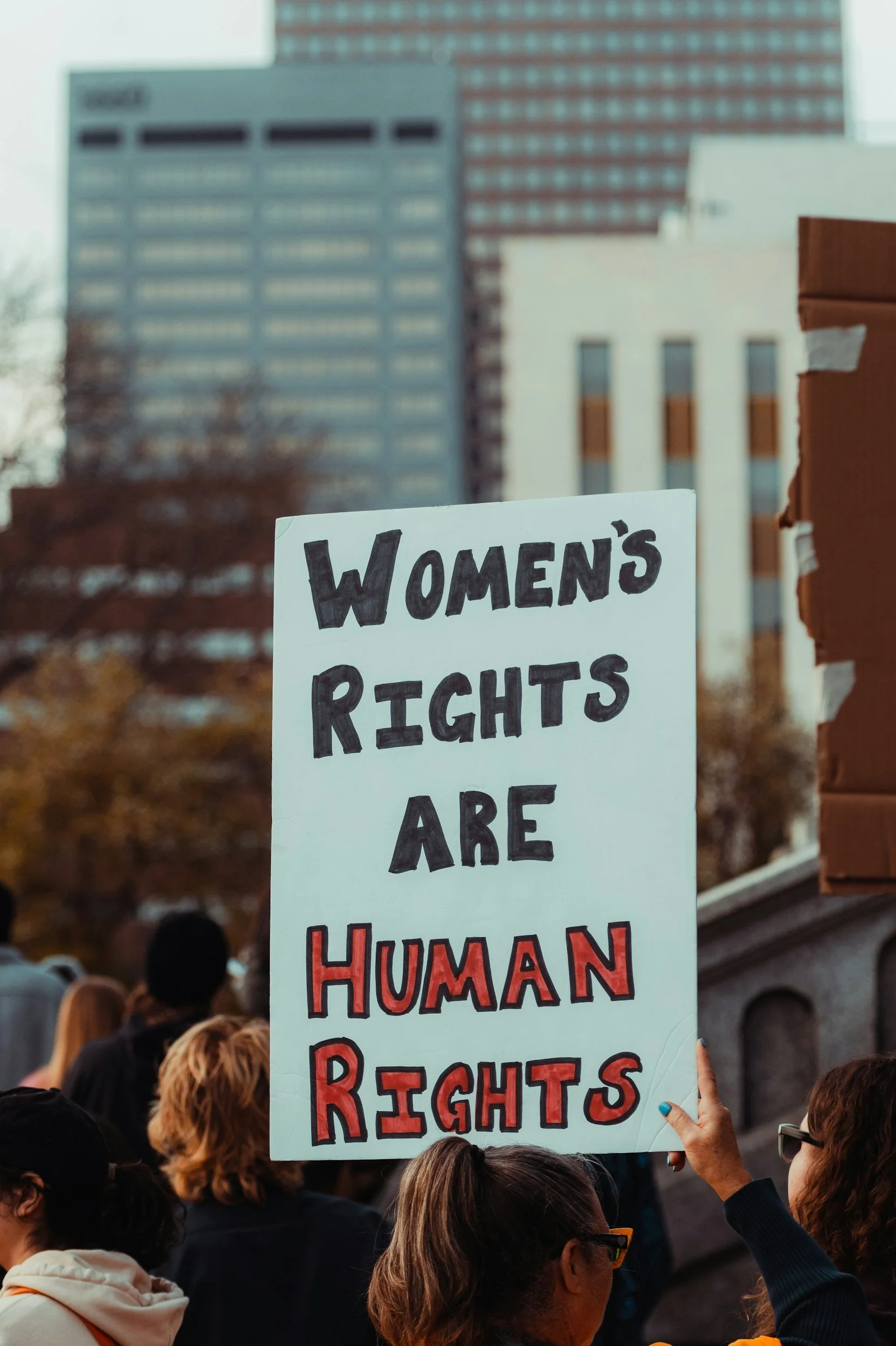
Women’s History Month Reflections on Maternal Health, Autonomy, and Advocacy
Every March, during Women’s History Month, we celebrate progress. We celebrate voting rights, workplace equity, leadership, and education. We recognize the women who pushed boundaries so that future generations could live with more freedom and opportunity.
But there is one area that still does not receive the attention it deserves: maternal health.
Supporting mothers during pregnancy, birth, and postpartum is not just about comfort or preference. It is about safety, dignity, and rights. And when we look at the data, it becomes clear that maternal health is deeply connected to women’s equity.
The State of Maternal Health in the United States
The United States has one of the highest maternal mortality rates among high-income countries. According to the Centers for Disease Control and Prevention (CDC), hundreds of women die each year from pregnancy-related causes; the majority of those deaths are considered preventable.
Black women are significantly more likely to die from pregnancy-related causes than white women. Latina and Indigenous women also face elevated risks. These disparities persist regardless of income or education level. This is not simply a medical issue. It is a systems issue, and systems issues are women’s rights issues. When the outcomes of pregnancy depend on race, zip code, or access to resources, we have to ask deeper questions about power, access, and protection.
Bodily Autonomy Is a Human Right
At the heart of maternal care is autonomy. Women have the right to ask questions, decline procedures, give informed consent, understand risks and benefits, and be treated with respect. Women have fought for generations to have authority over their own bodies. Birth is part of that history. When a woman feels pressured into decisions, rushed through explanations, or dismissed when expressing concern, that is not just a poor experience. It reflects a deeper issue of respect and power.
Informed consent is not a formality. It is a foundation of ethical care. When women are educated about their options and supported in their choices, outcomes improve– not only physically, but emotionally. Feeling heard and respected during birth has long-term implications for confidence, mental health, and how a woman views herself in motherhood.
A society that values women must value the way women give birth.
Economic Justice and Motherhood
Maternal support is also inseparable from economic policy. The United States does not guarantee paid maternity leave at the federal level, leading many women to return to work before they have physically healed or emotionally stabilized. Childcare costs can also rival housing expenses, placing immense pressure on families during an already vulnerable season.
Recovery from birth, whether vaginal or cesarean, takes time. Hormonal shifts are profound, and sleep deprivation is real. When women are expected to “bounce back” immediately because there is no structural support, their health often suffers quietly. Economic stability, paid leave, and accessible childcare are not separate from maternal health. They are part of it. Protecting postpartum recovery protects women’s long-term well-being and strengthens families as a whole.
Mental Health Is Maternal Health
Postpartum mood disorders affect approximately one in five women, yet screening and consistent follow-up are still lacking. Organizations like Postpartum Support International work to improve access to mental health resources and provider education, but stigma and misinformation remain significant barriers.
Mental health is not secondary to physical recovery. Anxiety, depression, intrusive thoughts, and feelings of isolation can deeply impact a mother’s experience and her ability to feel connected and confident. When we normalize postpartum planning, therapy, nutrition support, and community care, we protect women in ways that ripple outward to their children and partners. Supporting mental health is not “extra,” it is proactive and important care.
Advocacy Organizations Doing the Work
There are powerful organizations actively working to address maternal inequities and policy gaps.
Black Mamas Matter Alliance centers racial equity in maternal health and advocates for systemic reform.
National Partnership for Women & Families focuses on advocating for health and economic justice, reproductive rights, and policies that support women and families.
March of Dimes continues to invest in research, education, and awareness around maternal and infant outcomes.
Their work highlights a simple but urgent truth: safe birth should not depend on race, income, or zip code.
Where Doulas Fit Into Women’s Rights
Research consistently shows that continuous labor support is associated with improved birth outcomes, including lower cesarean rates and higher satisfaction with the birth experience. But beyond measurable outcomes, doula care is about something deeply human: presence.
A doula helps translate medical language, reinforces informed consent, supports partners, and reminds a woman of her strength when things feel overwhelming. That kind of support changes how decisions are made. It shifts birth from something happening to a woman to something she is actively participating in.
When women feel informed, respected, and supported, they move through birth differently. That empowerment is not abstract. It has a lasting impact. Empowerment is the foundation of women’s progress.
Supporting Mothers Is Collective Work
Maternal health does not begin and end in a hospital room. It is shaped by prenatal education, partner involvement, postpartum planning, community support, and policy. It is shaped by how we speak to mothers and how seriously we take their concerns.
We cannot celebrate women’s progress while neglecting the mothers carrying the next generation. Mothers are not an afterthought in the story of women’s advancement. They are central to it.
This Women’s History Month, I invite you to expand the conversation. Celebrate the pioneers and leaders, yes, but also look at how we are caring for women at the threshold of motherhood. Because when we protect maternal health, we protect autonomy, equity, and dignity, and that is undeniably a women’s rights issue.